How to Choose a Gum Arabic Grade for Industrial Use
 By Nabatica Technical Team
6 min read
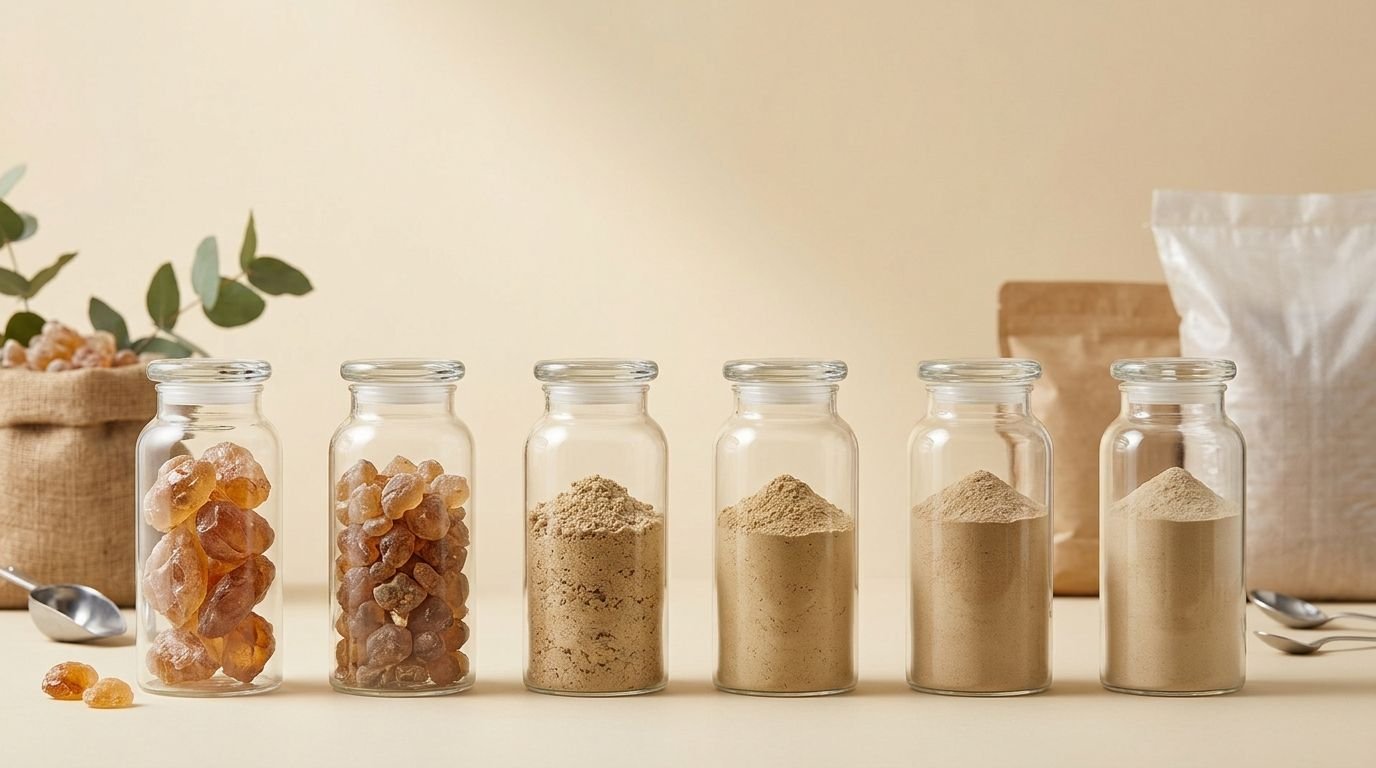
Short answer: start from botanical species and processing level, then narrow by your own process step and acceptance criteria — not by price alone.
Step 1 — Confirm the Species
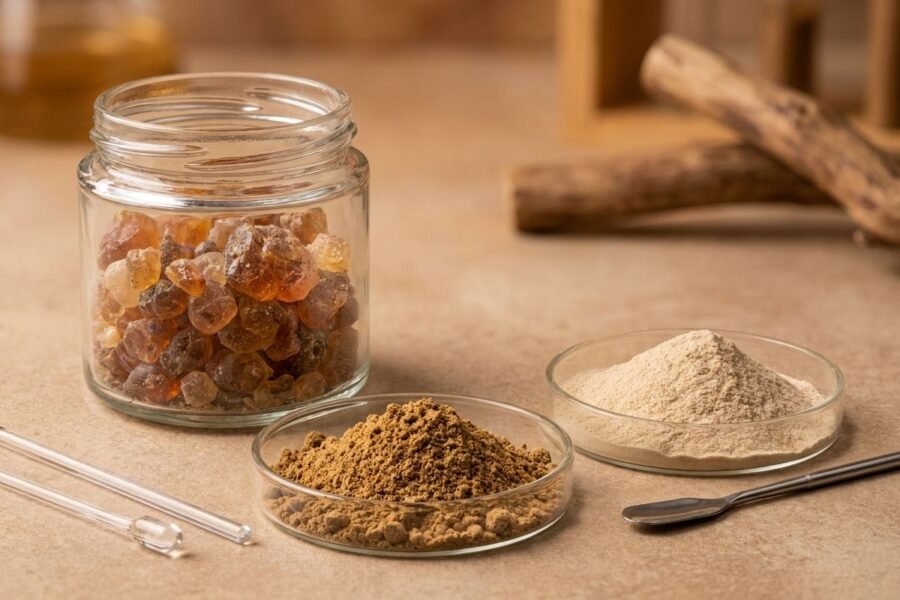
Hashab (Acacia senegal) and Talha (Acacia seyal) are distinct botanical sources with different functional behaviour. Buyer specifications should name the species explicitly rather than referring generically to “gum arabic” — this is the single most common cause of mismatched samples.
Every quotation request starts with the same underlying question: which grade is right for this application? The answer depends on three variables buyers control directly — botanical species, processing level, and what happens to the material next in your own facility.
Naming the species explicitly on your spec sheet is the single fastest way to shorten a sample qualification cycle.
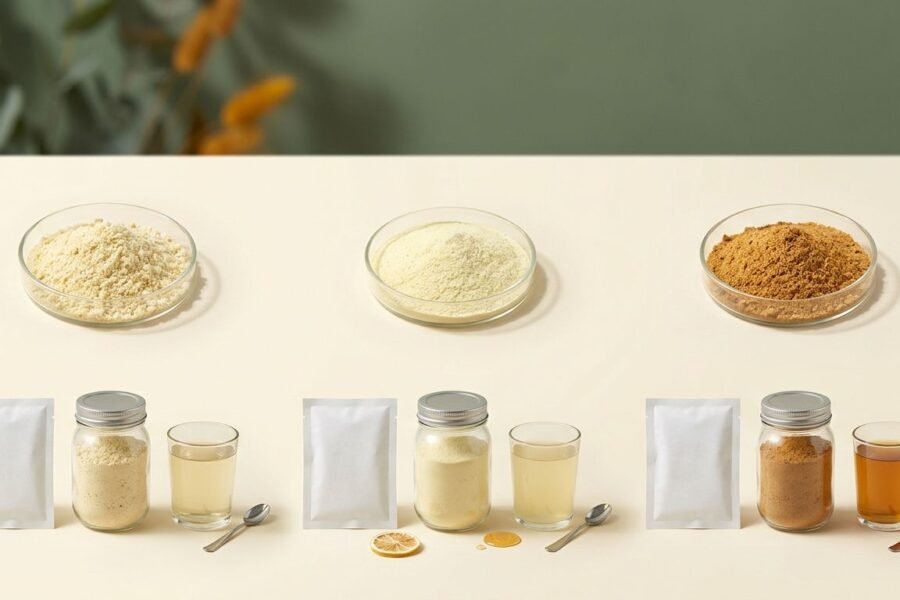
Step 2 — Match the Processing Level
Processing level should follow from what your own facility will do with the material, not the other way round. Before requesting a sample, define the parameters your QA team will check against:
- Appearance, colour and piece size range
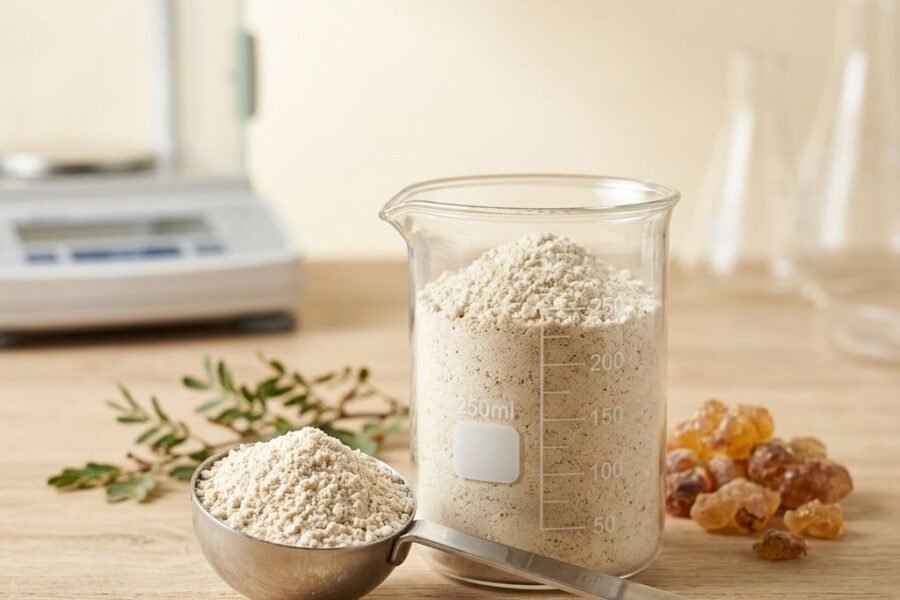
- Moisture and solubility targets for your process
- Microbiological limits relevant to your finished product
- Packing format and destination documentation requirements
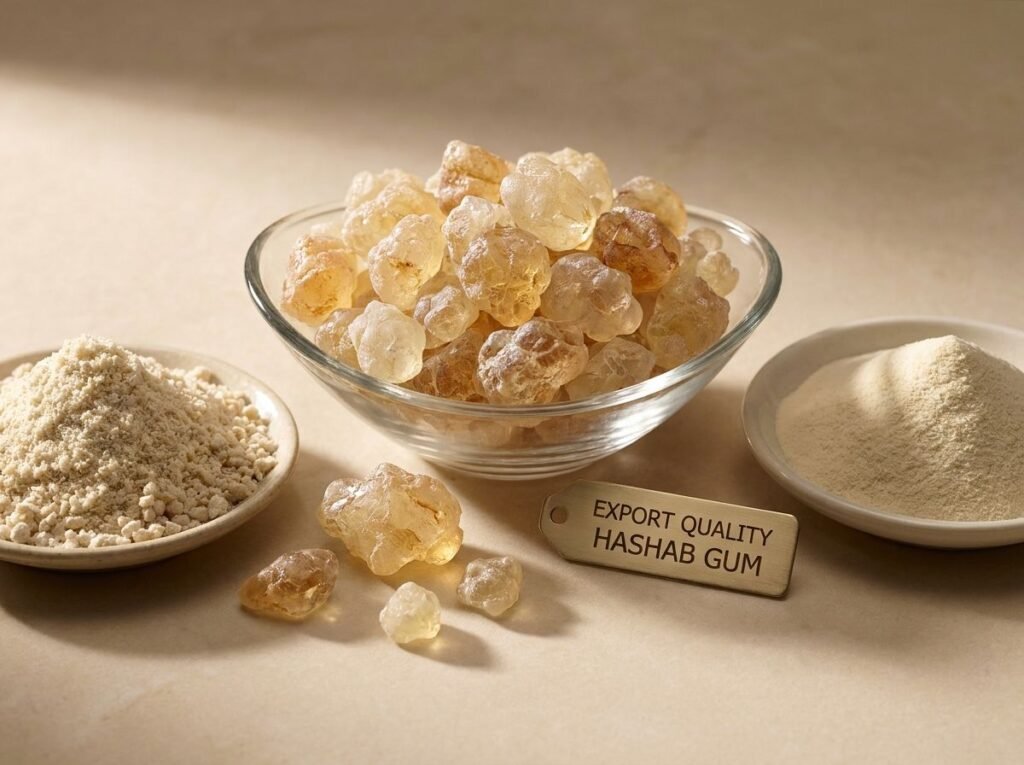
Numerical specifications, certificates and claims referenced above are illustrative. Confirmed limits are published only from the approved TDS, current COA and certificate scope for the specific grade you request.